At-Home PRP Face Effects: What Research and Individual Data Suggest


The rising need for non-invasive cosmetic treatments has led to increased fascination with platelet-rich plasma treatments executed external clinical settings. An prp facial near me has surfaced as a trending subject among people seeking comfort, privacy, and charge efficiency while trying to enhance epidermis texture and tone. Understanding how this approach performs, their limits, and the data encompassing outcomes is vital before contemplating it included in a skincare routine.
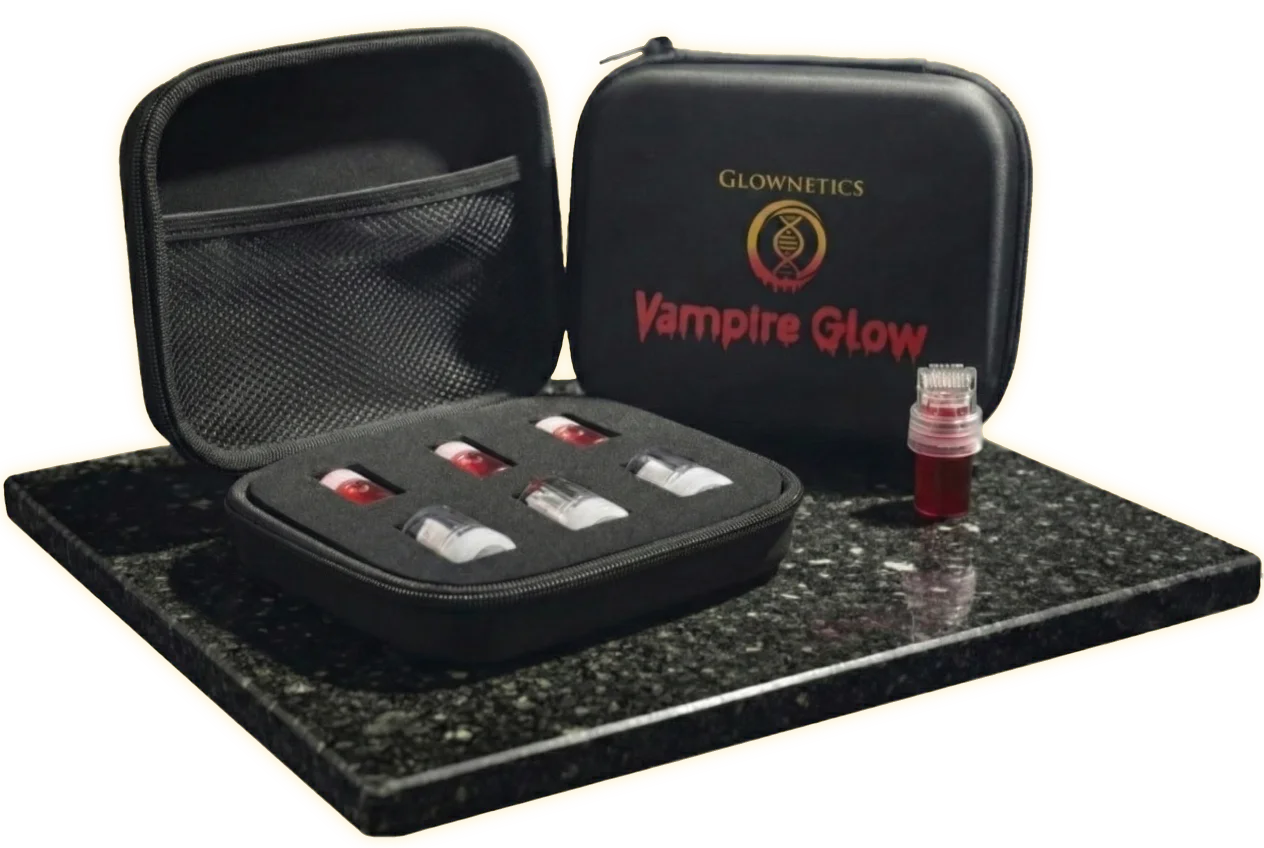
What an At-Home PRP Skin Involves
An at-home PRP skin was created to simulate professional platelet-based epidermis rejuvenation procedures, usually applying skin-stimulating serums, microneedling tools, or growth-factor-inspired formulations. Unlike clinical techniques that depend on body processing equipment, home-based options concentrate on topical activation rather than genuine plasma extraction. This variance is important when analyzing expected outcomes and safety.
Why At-Home PRP Facials Are Increasing Acceptance
Industry traits show a strong shift toward do-it-yourself aesthetic solutions. Customer knowledge shows increased demand for house skincare devices, driven by affordability, convenience, and variable scheduling. Many users record that at-home face routines give you a feeling of get a grip on over volume and intensity, which aligns with contemporary self-care preferences.
Efficiency Predicated on Accessible Knowledge
Statistical evaluations of skincare outcomes claim that while home-based PRP-inspired remedies might help skin water and surface-level vitality, they do not replicate the natural effects of scientific platelet therapies. Improvements in many cases are slow and delicate, typically noted in epidermis lighting, texture uniformity, and short-term plumping. Consistency, as opposed to immediacy, represents a substantial role in visible results.
Protection Factors and Most useful Methods
Protection stays a vital component in virtually any at-home cosmetic procedure. Information from dermatological surveys highlights that improper software use and lack of health are the most common reasons for undesirable reactions. Customers are encouraged to follow along with sterilization directions, avoid overuse, and conduct repair tests before complete application. People who have sensitive and painful or affected epidermis barriers must exercise extra caution.
How Extended Results On average Last
Centered on user-reported statistics, results from at-home PRP facial routines are usually short-term and maintenance-dependent. Many people see maximum changes within 2-3 weeks of consistent use, with results slowly decreasing if treatments are discontinued. This aligns with broader skincare styles focusing schedule attention around one-time solutions.
Who May Gain the Many
Information shows that at-home PRP-style facials are many suited to people with early signals of skin ageing, uneven tone, or dullness. Those seeking preventative care rather than remedial treatment have a tendency to record larger satisfaction rates. It is less typically advised for addressing serious creases or substantial scarring.
Professional Perception on Objectives
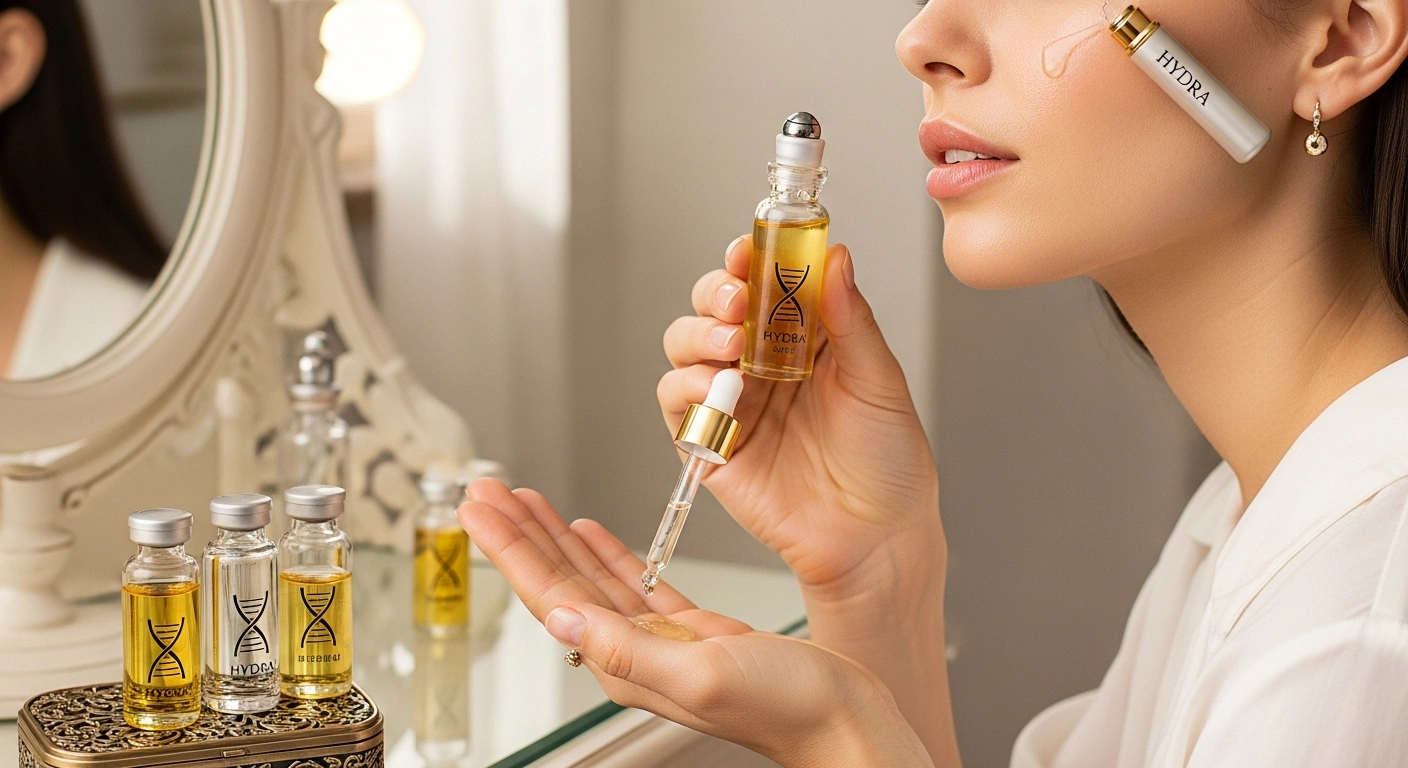
From an industry point of view, specialists stress realistic expectations. Mathematical comparisons reveal that scientific techniques generate more measurable collagen arousal, while home solutions function as encouraging skincare options. Understanding that difference helps customers produce informed choices without overestimating potential outcomes.
Long-Term Epidermis Treatment Technique
Incorporating an at-home PRP face in to a broader skincare plan may possibly help overall skin wellness when along with sun safety, hydration, and evidence-based relevant products. Knowledge consistently shows that multifactor workouts outperform single-method approaches in long-term skin quality improvements.
Final Insights
At-home PRP face remedies reveal an increasing tendency toward individualized and available skincare. While they feature comfort and humble advantages, their efficiency depends upon regular use, appropriate method, and realistic goals. Reviewing accessible statistics and sustaining qualified advice can help people integrate this approach safely and successfully into their skincare regimen.